
A JOURNEY OF CRAFT · ORIGINS
Made to Last.
Things worth keeping should be made that way.
We are designing our first Made to Last product alongside those who value patience, uncompromised material, and the beauty of deliberate making. This is where it begins.
Natural Unbleached Materials · Designed in Public · Built to Endure
01 : THE IMPULSE
We Started With a
Simple Thought
We live in an age conditioned to replace before we ever pause to repair. When a stitch yields or canvas scuffs, the modern impulse is to discard, trading integrity for the fleeting ease of something disposable and unloved.
Our experiment began not with grand plans to scale, but with an uncompromising inquiry into permanence: With a bag. A single, purposeful vessel crafted from dense unbleached canvas and wax-dipped thread, built under the stubborn belief that an object ought to outlive our habits.
When an item is built with genuine accountability, every fray, patinated corner, and mend becomes provenance rather than a reason for disposal.
WORKSHOP PROCESS IN PROGRESS
The First Stitch
Before there is an object to hold, there is the honest friction of the cutting mat, graphite markings, and unproven fiber tension. We document every misstep and breakthrough in real time.
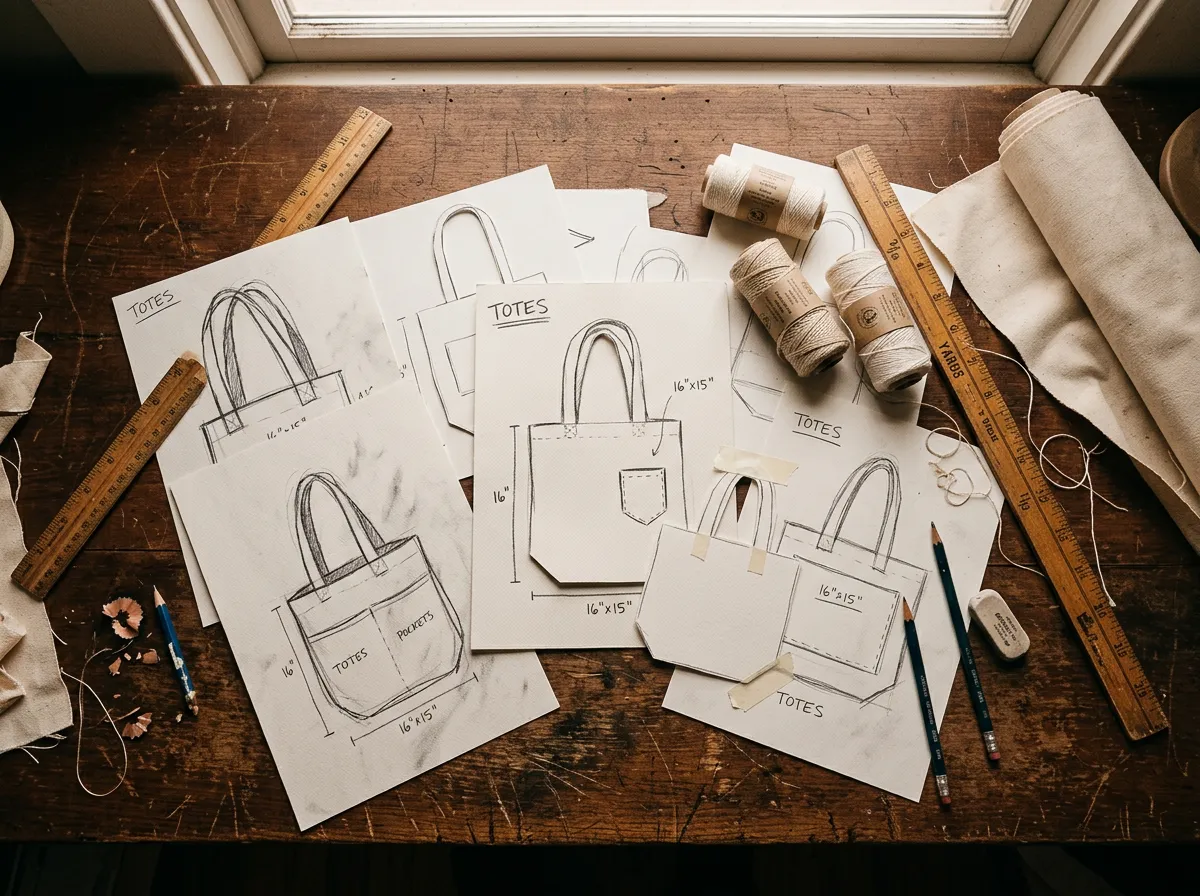
STAGE 01 : INTENTIONAL FORM
Designing for the Rhythm of Daily Life
We began with the physical habits that wear everyday bags down: setting them on damp stone, carrying groceries alongside heavy notebooks, and the constant stress placed on anchor points. Every measurement on this draft exists to eliminate failure points before the first piece of cloth is cut.
- Handle drop calibrated for winter coats without slipping
- Gusset depth calculated for stability when placed upright on floor
- Box-and-cross reinforcement mapped for heavy payload distribution
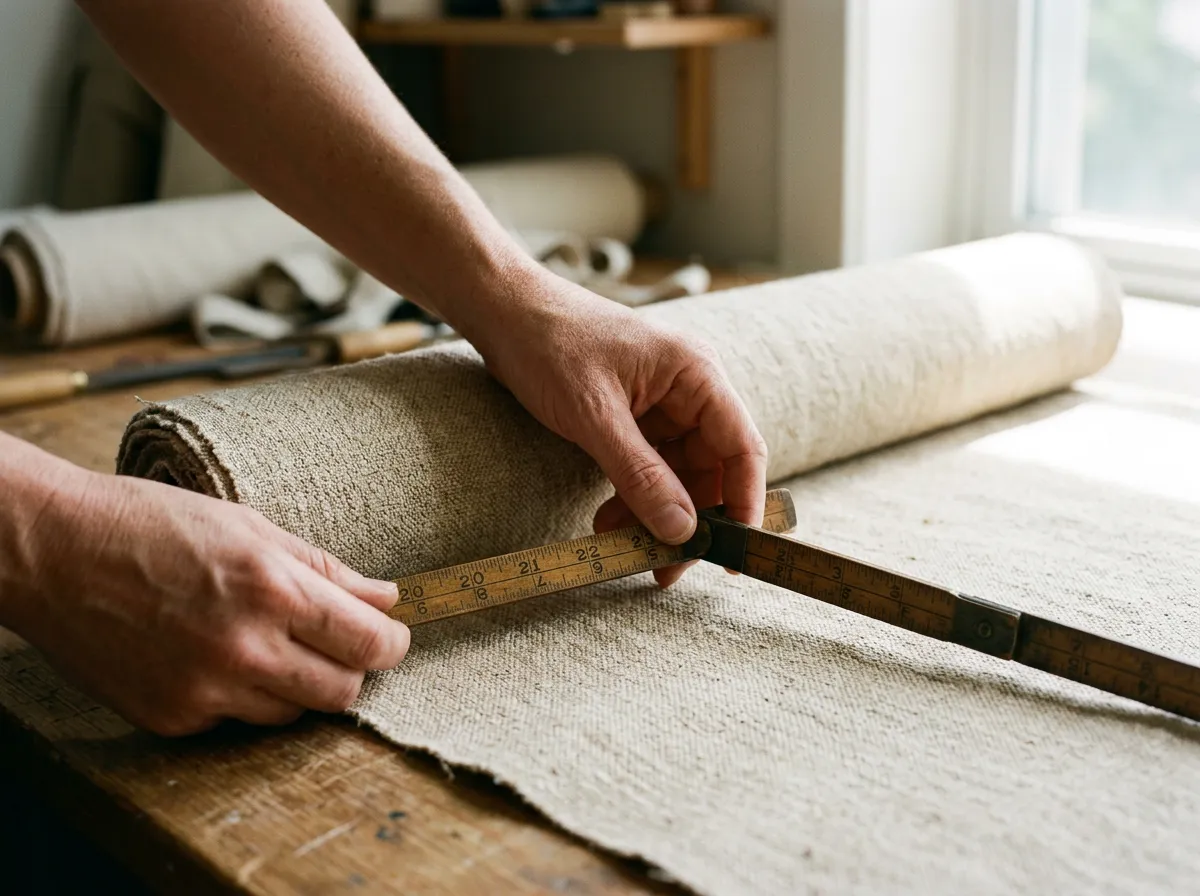
STAGE 02 : MATERIAL ARCHITECTURE
Exploring Unbleached Canvas & Thread Tensility
We reject artificial chemical sealants. Instead, we are testing heavy unbleached cotton duck paired with vegetable-tanned bridle leather and bonded nylon thread. The objective is simple: materials that soften gracefully rather than fraying into landfill.
- 18oz natural duck canvas with unbleached organic grain
- Vegetable-tanned leather straps that develop character with touch
- Custom thread weight calibrated against seam abrasion
Follow the Making of Our First Bag
Join our open studio journal for weekly unedited photo dispatches, tension test results, and early prototype feedback invitations.
Fortnightly transparent updates : Zero marketing fluff : Unsubscribe anytime
OUR CORE PRINCIPLES
Made to Last Is a Standard,
Not Just Our Name
Every pattern we draft, seam we test, and bolt of canvas we source answers to five non-negotiable rules. We do not design for seasons or fleeting catalog cycles: we build for decades of deliberate, dependable wear.
THE WORKSHOP QUESTION
“Could we make this to stay?”
If the honest answer is ever no, the prototype never leaves the cutting table.
01
Honest Materials
Heavyweight untreated canvas, solid copper rivets, and full-grain hides. We reject synthetic laminates in favor of fibers that age with character.
02
Quiet Utility
Form follows true purpose. No superfluous straps or decorative zippers. Every pocket placement is calibrated for natural ergonomics and daily ease.
03
Intentional Repetition
We do not release novelty for its own sake. We refine identical core patterns hundreds of times until tension points, thread weight, and seam margins achieve structural equilibrium.
04
Radical Repairability
Construction designed to be taken apart and rebuilt. Exposed stitch runs, replaceable hardware, and open architecture that welcomes maintenance over replacement.
05
Tested in Real Life
Prototypes endure months of field wear, workshop grit, rain, and heavy transit before passing into production. We prove durability in real hands, not synthetic lab simulations.
THE WORKBENCH & THE WEAVE
Before Something Can Last,
It Has to Be Made
Every enduring piece begins in the quiet gap between a rough sketch and raw canvas. There is no mystery to honest craftsmanship: we record every cut, every tested seam, and every unhurried revision in real time.
You can watch it being made.
Open documentation · No paywalls or registration required
THE BROADER HORIZON
One Bag Is Only the Beginning
We did not build this workshop merely to produce durable utility. The initial tote was a proof of craft: physical evidence that patient hands and honest fibers can defy disposable culture. Now, our inquiry expands into the systems that surround every object we live with.
What if every fiber was traceable to the exact field that grew it?
Moving past generic industrial supply chains toward direct partnerships with organic cotton growers, waterless dye houses, and heritage spinning mills.
What happens when repair replaces replacement as the primary customer experience?
Building regional patch stations, providing modular hardware kits, and maintaining open service archives so every artifact can be re-stitched over fifty years.
Can traditional leather and canvas craft be open-sourced to build localized independence?
Publishing workshop cut patterns, tension guides, and assembly notes so a worldwide community of makers can practice resilient construction in their own hometowns.
"When an artisan constructs an object to survive half a century, they are inherently forced to care about what the world will look like when it arrives there."
Made to Last : Vision Note on Long-Termism
PILOT INITIATIVE : ECUADOR
Making Things Last Starts
Earlier Than the Product
In the craft corridors outside Cuenca, we started an open, early-stage conversation with local classrooms and village workshops. Before anyone is asked to cut patterns or run a seam, we gather around tables piled with raw sheep fleece, unbleached cotton thread, and vegetable-tanned trimmings.
Durability is not an abstract engineering standard; it begins as a sensory understanding of how raw matter yields, stretches, and survives friction. When children learn how a cord resists tension under their own fingers, the desire to preserve and repair becomes second nature rather than an afterthought.
“If we want objects to be kept for decades, we must first nurture the instinct that recognizes the honest character of raw materials.”
Field Notes : Azuay Community Material Lab
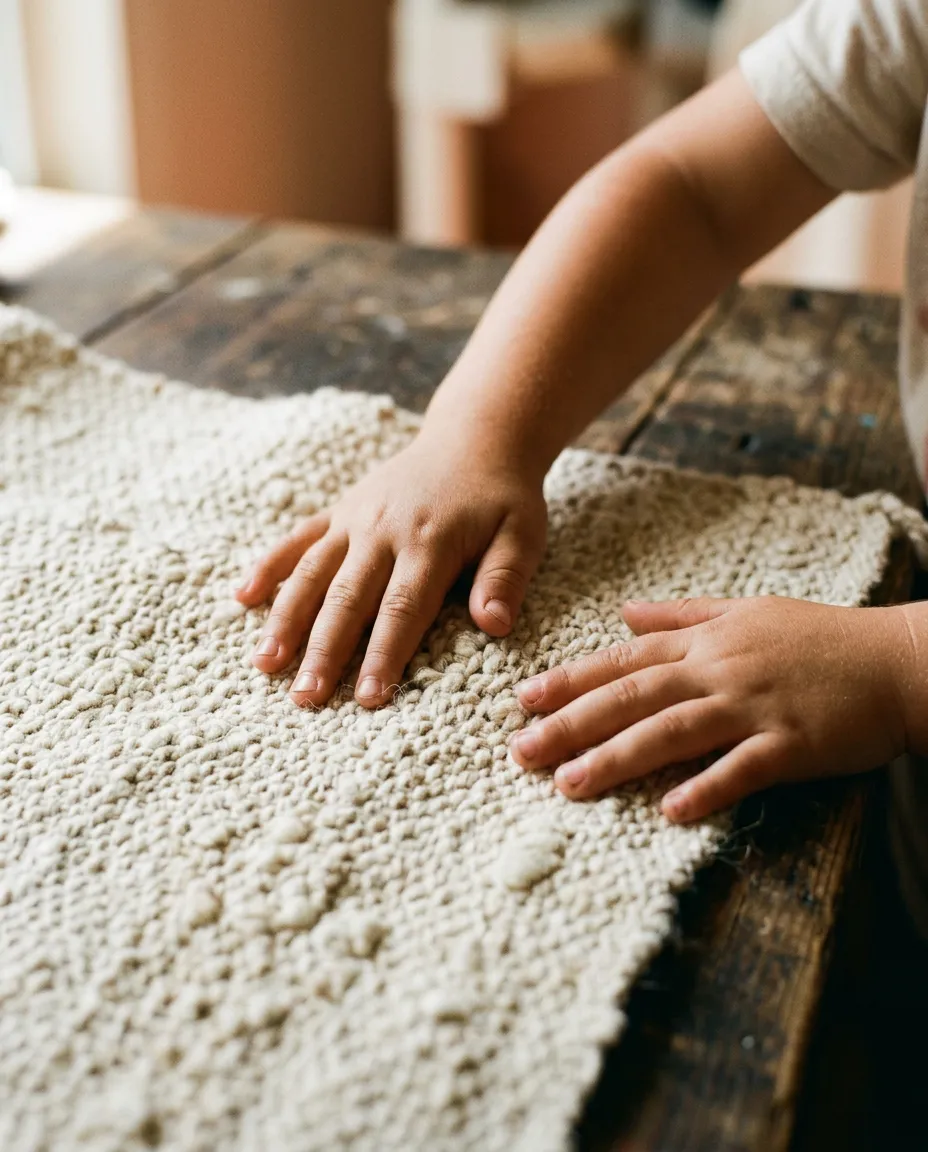
Tangible exploration : tactile fiber sessions with young students in Azuay province.
RADICAL TRANSPARENCY
Our First Attempt Did Not Fund.
It Still Taught Us Plenty.
When we launched our debut campaign, we set an ambitious threshold to fund our first full production run of custom loom runs. We closed at 64% of that target. In commercial publishing, that is categorized as a missed launch. In an artisan workshop, it is called a field test.
Over 800 supporters across twelve countries wrote directly to us during that month. You asked for frictionless checkout, modular tiers, and genuine visibility into material sourcing rather than countdown timers. We listened, documented every critique, and rebuilt our production architecture from the foundation up.
Includes raw budget breakdown, ledger logs, and our revised timeline.
LESSON 01
Payment & Global Accessibility
Platform friction was our primary drop-off point. We now support localized currencies, split installments, and transparent duties.
LESSON 02
Unfiltered Workshop Ledgers
Patrons desired real cost visibility. We published line-item yarn costs, mill minimums, and weaver wages in open weekly dispatches.
LESSON 03
Patience Over Pace
Rushing a craft release to meet artificial countdowns compromised our ethos. Heirloom tailoring demands an unhurried, batch-calibrated schedule.
FIELD ARCHIVE / ISSUE NO. 04
The Inner Stitch
The stories behind what we make, what we learn and what we are still figuring out.
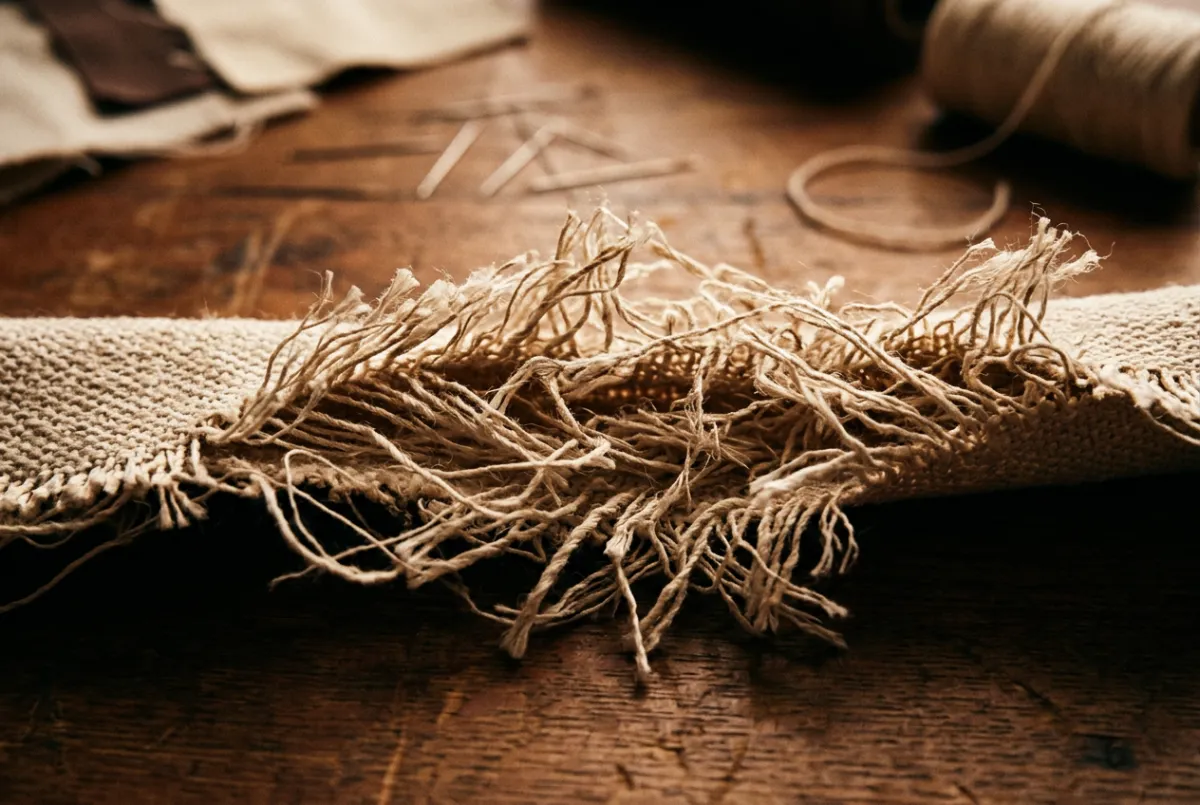
DOSSIER 01 : MATERIAL STUDIES
Why We Rejected 14 Batches of Heavy Canvas
An honest breakdown of warp tensile tests, shrinkage variances, and why natural starch sizing failed our longevity standards.
6 Min Read · Lab Archive #108
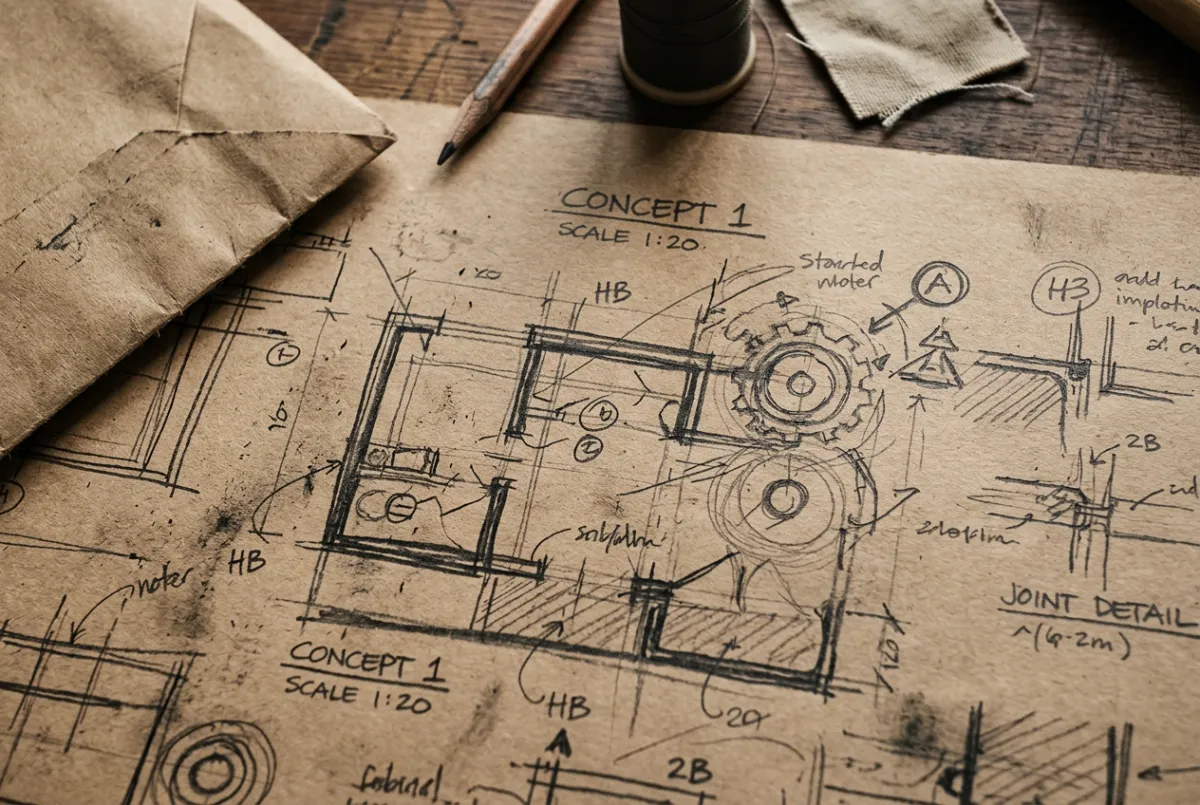
DOSSIER 02 : TOOLING & TECHNIQUE
The Strict Geometry of the French Awl
Modifying historic saddler irons to maintain uniform stitch pitch and thread seating across uneven leather grain.
8 Min Read · Bench Notes
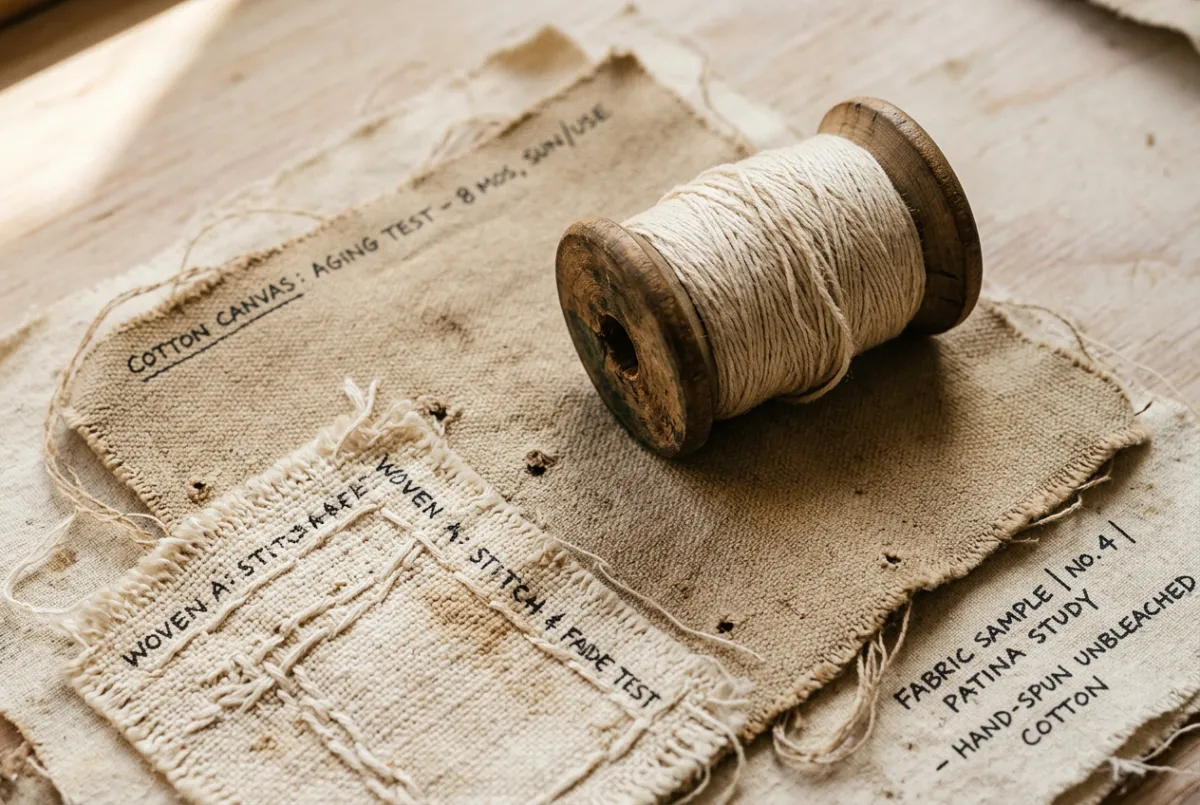
DOSSIER 03 : WEAR TESTING
Five Hundred Hours in Salt and Sun
Documenting how natural tannins, linen cord, and raw hides transform when aged without acrylic sealants or synthetic oils.
5 Min Read · Field Observations
Dispatches published bi-weekly directly from our workshop floor. No promotions, just craft.
FINAL INQUIRY
“Could we make this to stay?”
Made to Last
Made with thought.
Made to be used.
Made to be cared for.
Made to stay.
Made to Last
A venture of The Eight Horizon dedicated to deliberate craftsmanship, enduring unbleached canvas, and the radical patience of making goods built to stay.


© 2026 Made to Last. A venture of The Eight Horizon. All rights reserved.